
25 min
read
Rails Database Migrations: Best Practices
Learn Rails database migration best practices for safer schema changes, data integrity, and reliable production deployments.

Jean Emmanuel is a Full-Stack Software Engineer specializing in Ruby on Rails and the modern Rails ecosystem. He builds scalable, maintainable web applications using Rails, Hotwire (Turbo & Stimulus), PostgreSQL, and SQLite, with a focus on fast, dynamic user experiences. Through CodeCurious, he shares practical lessons, development insights, and real-world solutions for modern developers.
Learn Rails database migration best practices for safer schema changes, data integrity, and reliable production deployments.

Learn Rails custom validators: validation methods, EachValidator classes, options, testing, and database constraints.

Learn when to use Rails Form Objects, how to build them with ActiveModel::Model, and when a simple model is enough.
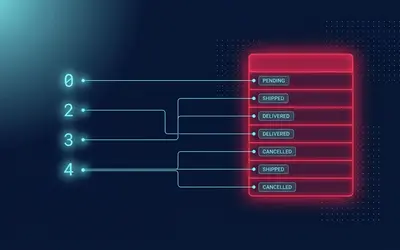
Learn how Rails enums work: define, map, validate, query, and evolve them safely with practical Active Record examples.
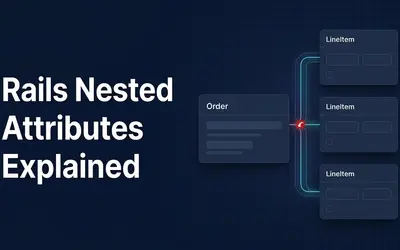
Learn Rails nested attributes with accepts_nested_attributes_for, fields_for, strong parameters, validations, and security.
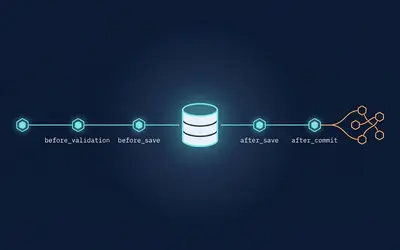
Learn how Rails callbacks work, when they run in the Active Record lifecycle, and when to avoid them for cleaner, safer code.

Learn how Rails Concerns work, when to use ActiveSupport::Concern, and when concerns make your Rails app harder to maintain.

Learn how to configure Rails Content Security Policy, use nonces, test in report-only mode, and fix CSP violations step by step.

Learn Rails Active Storage: file uploads, has_one_attached, variants, direct uploads, S3, validations, and production tips.

Learn how the Rails request lifecycle works, from the web server and middleware to routing, controllers, views, and the response.
